

Conveyor Systems UK: Types, Costs & How to Choose
If you’re managing a warehouse, logistics operation, or manufacturing site in the UK, you’ll know that conveyor systems are about far more than just moving products from A to B.
By Diamond Phoenix
// 21 Apr 2026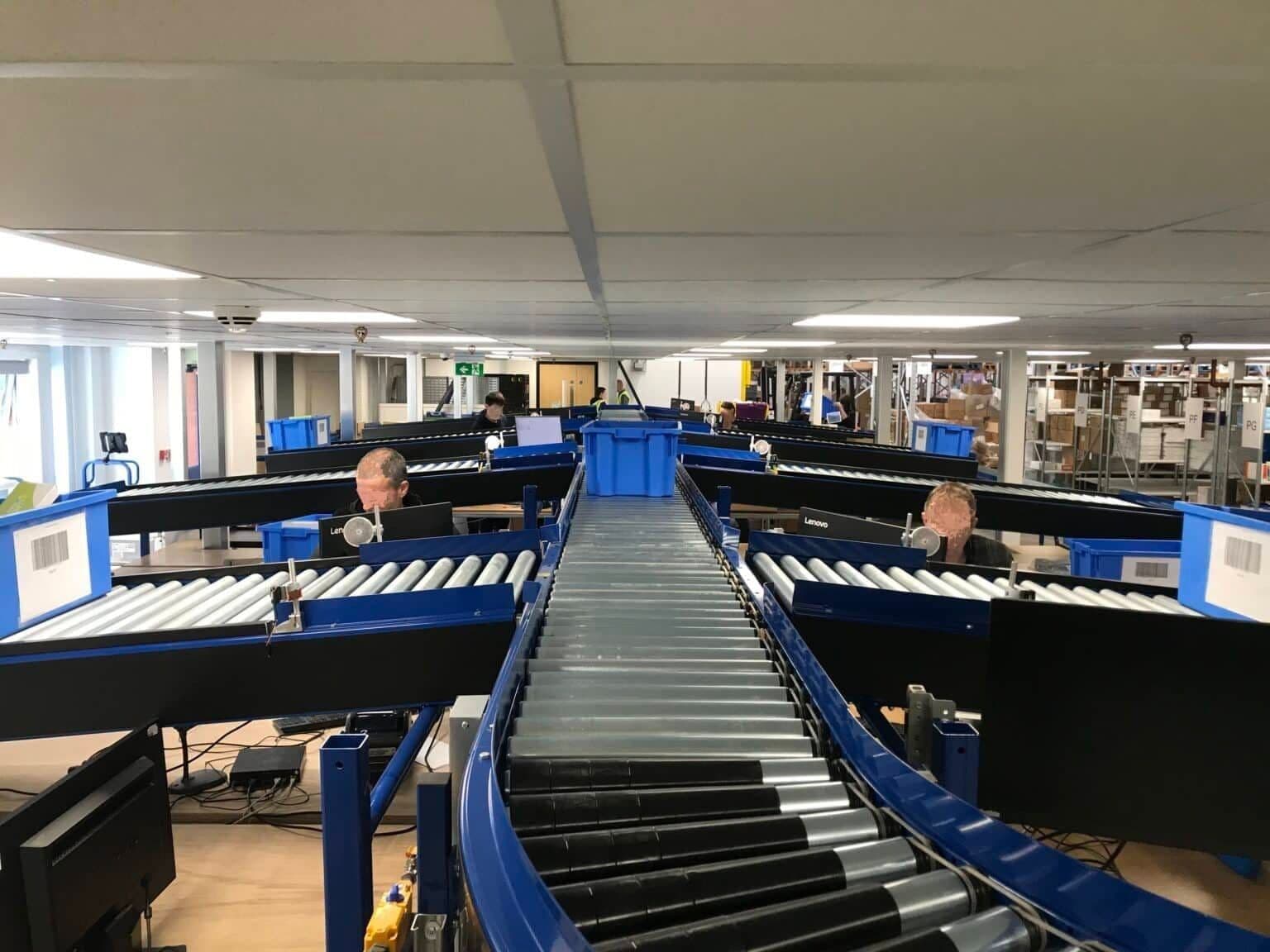
If you’re managing a warehouse, logistics operation, or manufacturing site in the UK, you’ll know that conveyor systems are about far more than just moving products from A to B.
They directly impact efficiency, labour costs, throughput, and how well the operation can cope under pressure.
The tipping point most operations reach
It's worth looking into conveyor systems when the usual issues began creeping in:
- Bottlenecks slowing everything down
- Rising labour costs
- Slower picking speeds
- Space not being used effectively
At that point, it isn’t just about improving things, it is about keeping up.
Investing in the right conveyor system is often one of the fastest ways to unlock performance gains across the entire operation.
Why the supplier matters as much as the system
Working with a supplier who understands operational pressure, asks the right questions, and designs around your workflow makes a huge difference. The best ones don’t overcomplicate things they just get it right from the start.
This guide gives a clear, practical overview of conveyor systems, including types, costs, and how to choose the right supplier.
What Are Conveyor Systems?
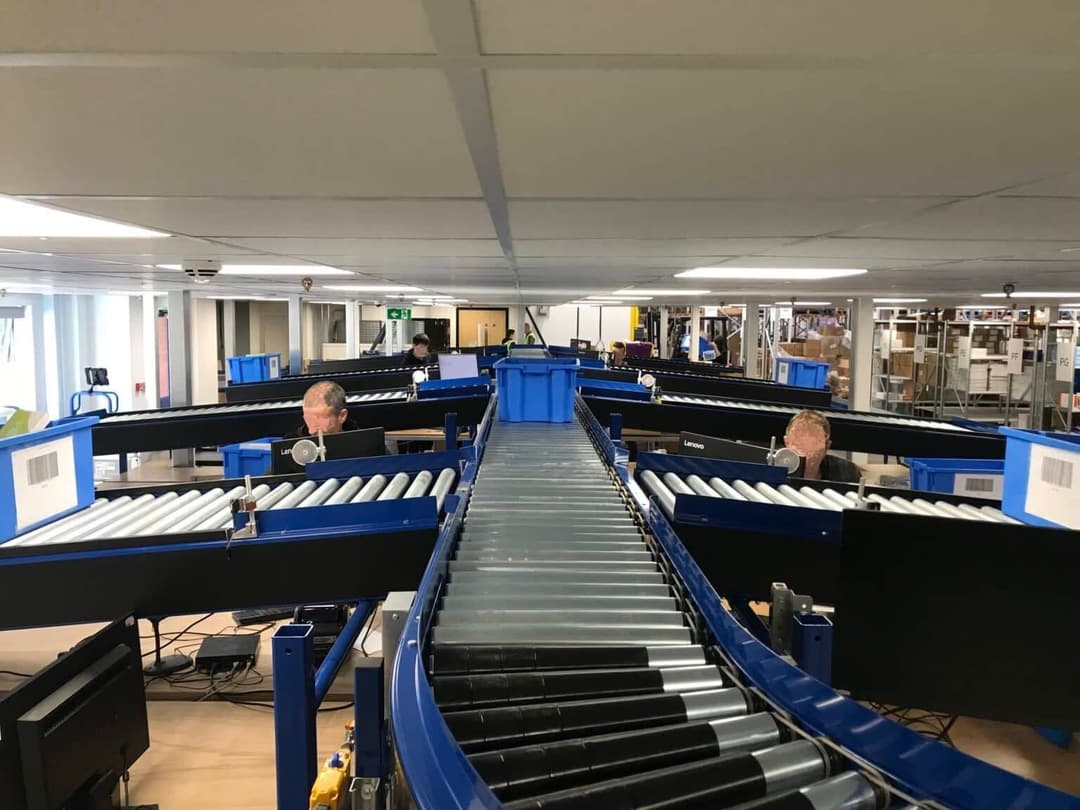
In simple terms, conveyor systems are automated material handling systems used to move goods through your warehouse, factory, or distribution centre.
What that actually means in practice
In reality, they’re not just about movement.
They create:
- Less manual handling
- More consistent workflows
- Faster processing from goods-in to dispatch
It’s the difference between a reactive operation and one that runs smoothly day-to-day.
Why Conveyor Systems Are Critical for Modern Operations
The biggest challenge we faced wasn’t demand, it was handling that demand efficiently.
The common pressures UK operations are under
Many companies are dealing with:
- Labour shortages
- Increasing wage costs
- Higher order volumes
- Tighter delivery expectations
- Limited warehouse space
Where conveyor systems make the biggest impact
Introducing a conveyor system can help to:
- Reduce reliance on manual labour
- Improve picking and packing speeds
- Increase throughput
- Make better use of existing space
It isn’t just about efficiency; it's about growth without constantly increasing your headcount.
Types of Conveyor Systems Explained
Choosing the right type of conveyor system is critical.
The most common types of conveyor systems
- Belt conveyor systems - Ideal for cartons, boxes, irregular shaped goods like polybags and jiffy-bags
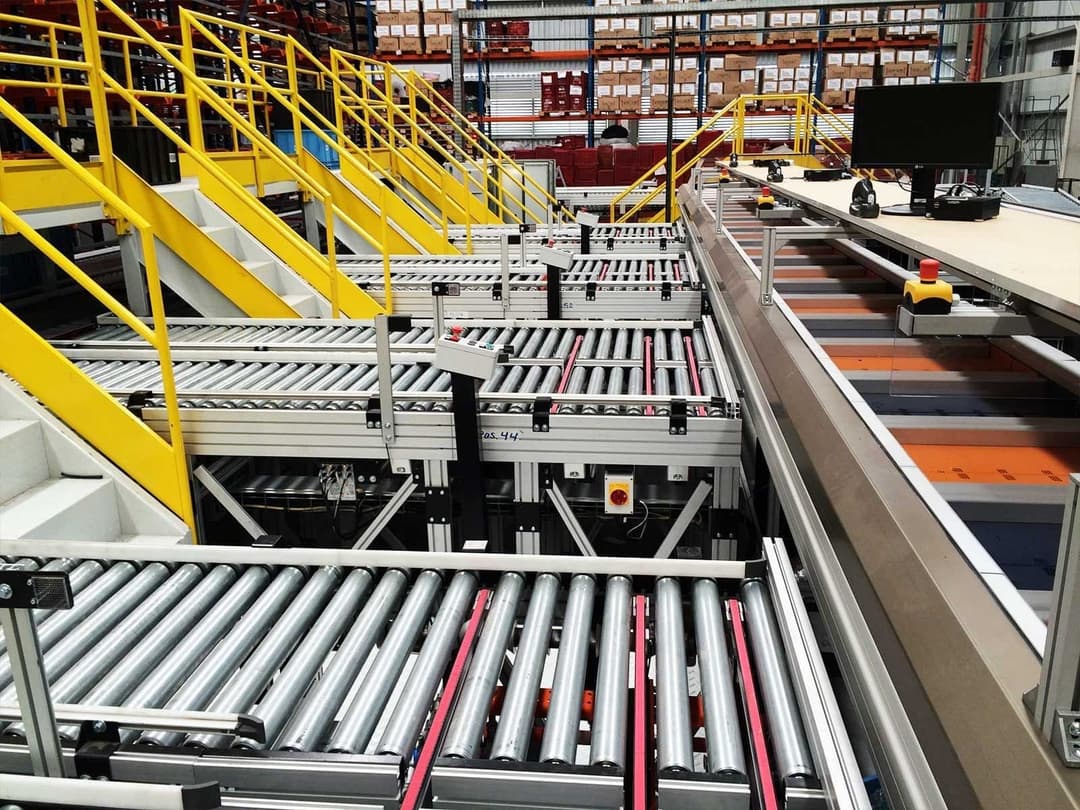
- Roller conveyor systems - Widely used in warehouse environments to convey flat based boxes, parcels and totes
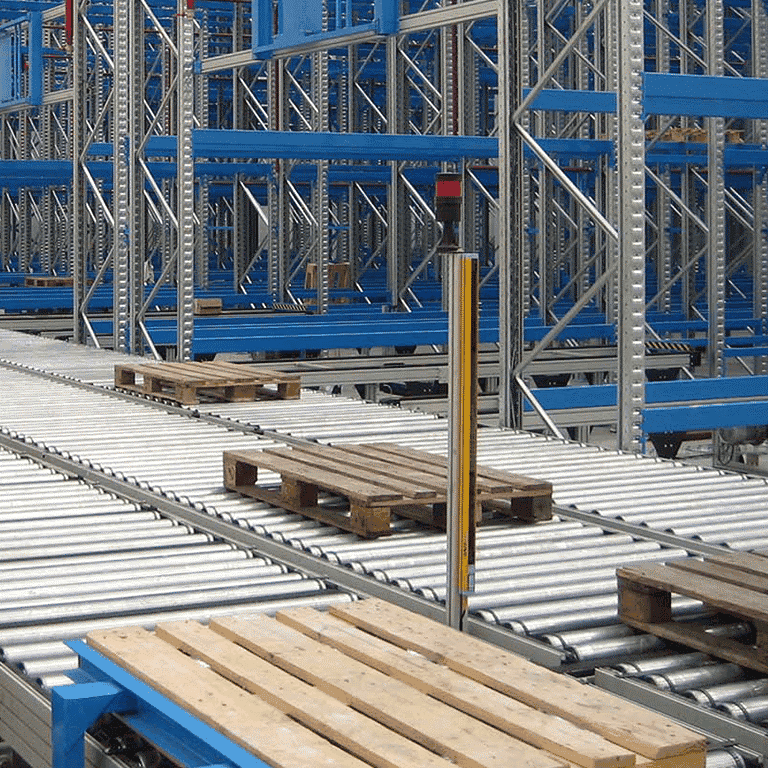
- Pallet conveyor systems - Designed for heavy-duty, industrial loads
- Gravity conveyors - Cost-effective for simple applications
- Vertical and spiral conveyors - Perfect for maximising vertical space and transporting goods between floors
Why selection should be based on your operation
There’s no “best” system, only what’s right for your specific workflow.
This is where experienced conveyor system suppliers in the UK stand out: they focus on how your operation runs, not just what equipment they can sell.
Conveyor Systems in Warehousing, Logistics and Manufacturing
Conveyor systems are often used across:
- eCommerce and fulfilment
- 3PL and logistics operations
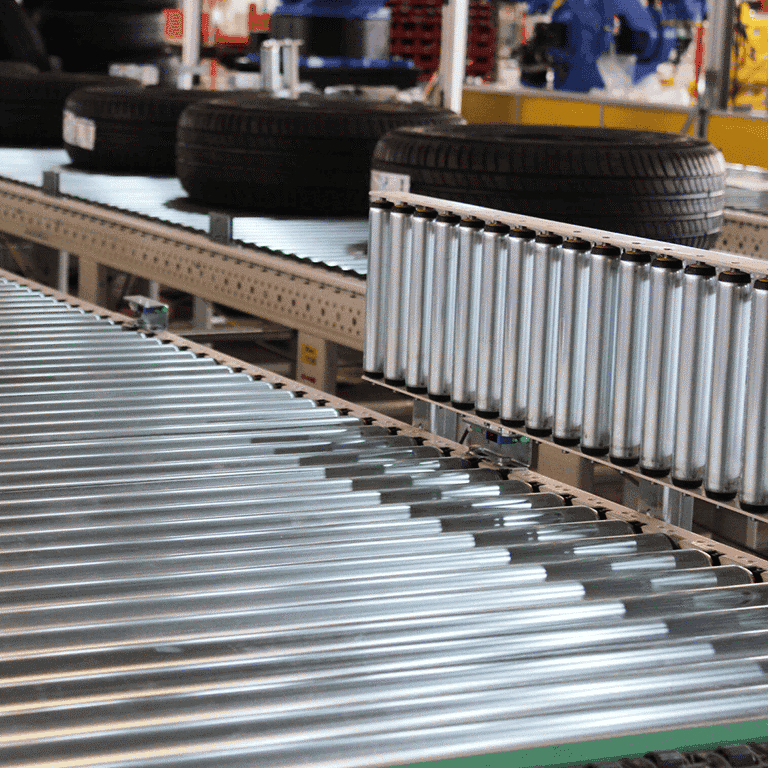
- Manufacturing and end-of-line environments
The biggest operational gains
Improvements can come from:
- Faster picking and packing
- More efficient sorting and dispatch
- Smoother flow between processes
Once everything is properly integrated, the whole operation is more connected and far less reliant on manual workarounds.
Conveyor System Design: Why Tailored Solutions Matter
Trying to fit an operation into a standard system can be a mistake.
The problem with off-the-shelf systems
Standard systems often don’t account for:
- Product variation
- Real-world workflows
- Space constraints
- Future growth
What a well-designed system looks like
What works well is a system designed around:
- The products being handled
- Throughput targets
- The layout of the operations area
- Growth forecasts
Suppliers who take the time to get this right upfront rather than rushing to quote tend to deliver systems that perform far better long-term.
Common Challenges Without the Right System
Before implementing the right system, our customers often face:
- Bottlenecks slowing everything down
- Too much manual handling
- Errors and damaged goods
- Poor use of available space
The hidden cost of inefficiency
Individually, these issues seem manageable.
Together, they:
- Increase operational costs
- Limit throughput
- Make scaling difficult
Conveyor System Cost UK: What Affects Pricing?
What influences conveyor system cost in the UK
Pricing typically depends on:
- System size and complexity
- Type of conveyor used
- Level of automation
- Integration with existing systems
- Installation requirements
Cost vs long-term value
Long-term savings are key rather than focusing on upfront cost. It is essential to review:
- Labour savings
- Throughput improvements
- Long-term efficiency
The right system pays for itself far quicker than expected when it’s designed properly from the start.
How to Choose Conveyor System Suppliers UK
Choosing the right supplier is just as important as choosing the system itself.
What to look for in a supplier
Leading conveyor systems partners:
- Take time to understand your operation
- Offered tailored solutions
- Manage everything from design to installation
- Communicate clearly and quickly
- Focus on long-term performance
The difference the right partner makes
A well-designed system, installed properly, just works.
Suppliers with real experience and a practical approach tend to spot issues early, simplify decisions, and deliver systems that perform from day one.
Request a Conveyor System Quote
If you’re at the stage where you’re reviewing processes, dealing with inefficiencies, or planning for growth, it’s worth speaking to someone who understands how these systems work in practice. Request a Conveyor System Quote.
Frequently Asked Questions About Conveyor Systems
What are conveyor systems used for?
They’re used to move goods efficiently within warehouses, factories, and distribution centres.
What types of conveyor systems are available?
Belt, roller, pallet, gravity, and automated conveyor systems.
How do conveyor systems improve efficiency?
By reducing manual handling, improving workflow, and increasing throughput.
What industries use conveyor systems?
Warehousing, logistics, manufacturing, and eCommerce fulfilment.
How much do conveyor systems cost in the UK?
Costs vary depending on size, complexity, and automation level.
How long does installation take?
It depends on the scope and design of the project.
Can conveyor systems be customised?
Yes, most systems are designed around specific operational requirements.
What should I look for in a supplier?
Experience, tailored design capability, integration expertise, and clear communication.